PromptClub
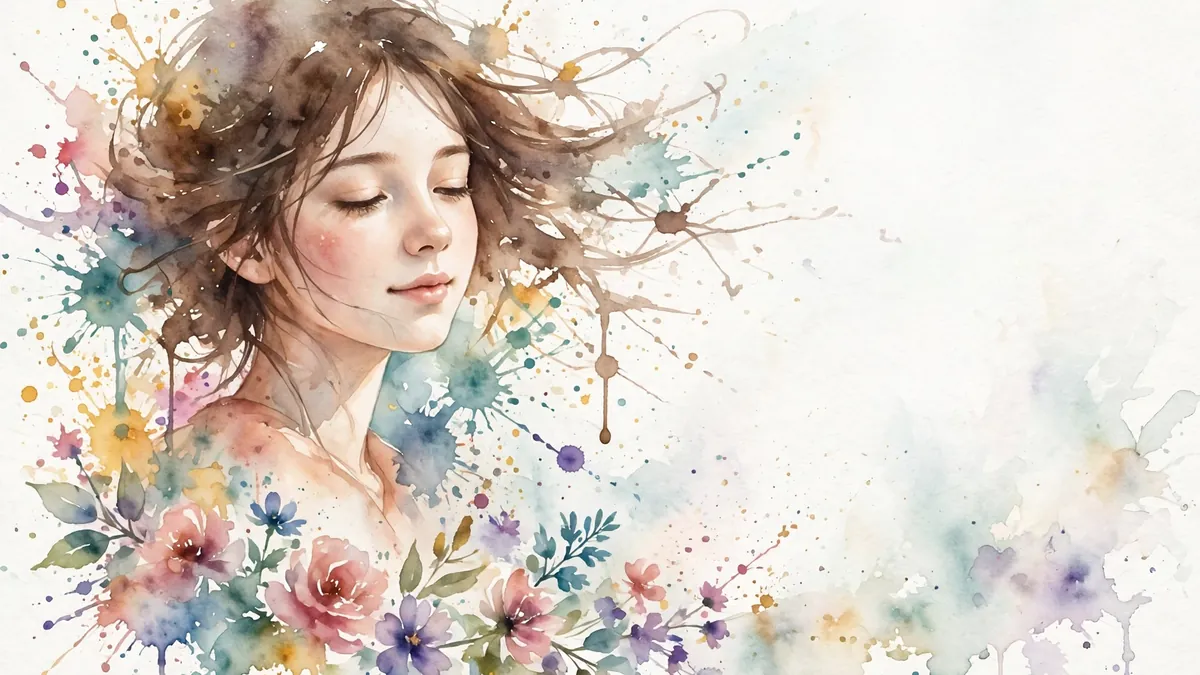
A watercolor portrait in soft translucent washes, a woman's face in peach and rose with paint splashes of teal and gold bleeding into white paper around her.

Collection · 12 prompts

12 Watercolor Portrait Prompts for ChatGPT & Gemini

Watercolor has a quality no other medium can match: the paint does what it wants, bleeding, blooming and drying into shapes the artist only half controls, and that happy accident is what makes a watercolor portrait feel alive. This collection is built for anyone searching for an ai watercolor portrait prompt that actually delivers a painted result — twelve original prompts covering the whole watercolor vocabulary, from the dreamy bleed of wet-on-wet to the bold energy of splash-and-drip, the restraint of a monochrome wash and the sketchbook charm of ink-and-watercolor. Every prompt is written to work from your own photo, so the face stays recognisably yours while the model rebuilds it in translucent washes, paper grain and paint splashes. There are portraits for every mood: a golden-wash portrait glowing like sunset, a loose floral portrait surrounded by dripping peonies, a couples portrait in blush and lavender, a family keepsake, and two cinematic Midjourney scenes — an artist in her paint-splashed studio and a traveller in a rain-washed street. Pick the technique that matches the feeling you want, copy the prompt into ChatGPT, Gemini, Midjourney or Nano Banana, and change one thing at a time — the palette, the background wash, the amount of splash — until the painting feels like you, only softer, wetter and more beautiful.

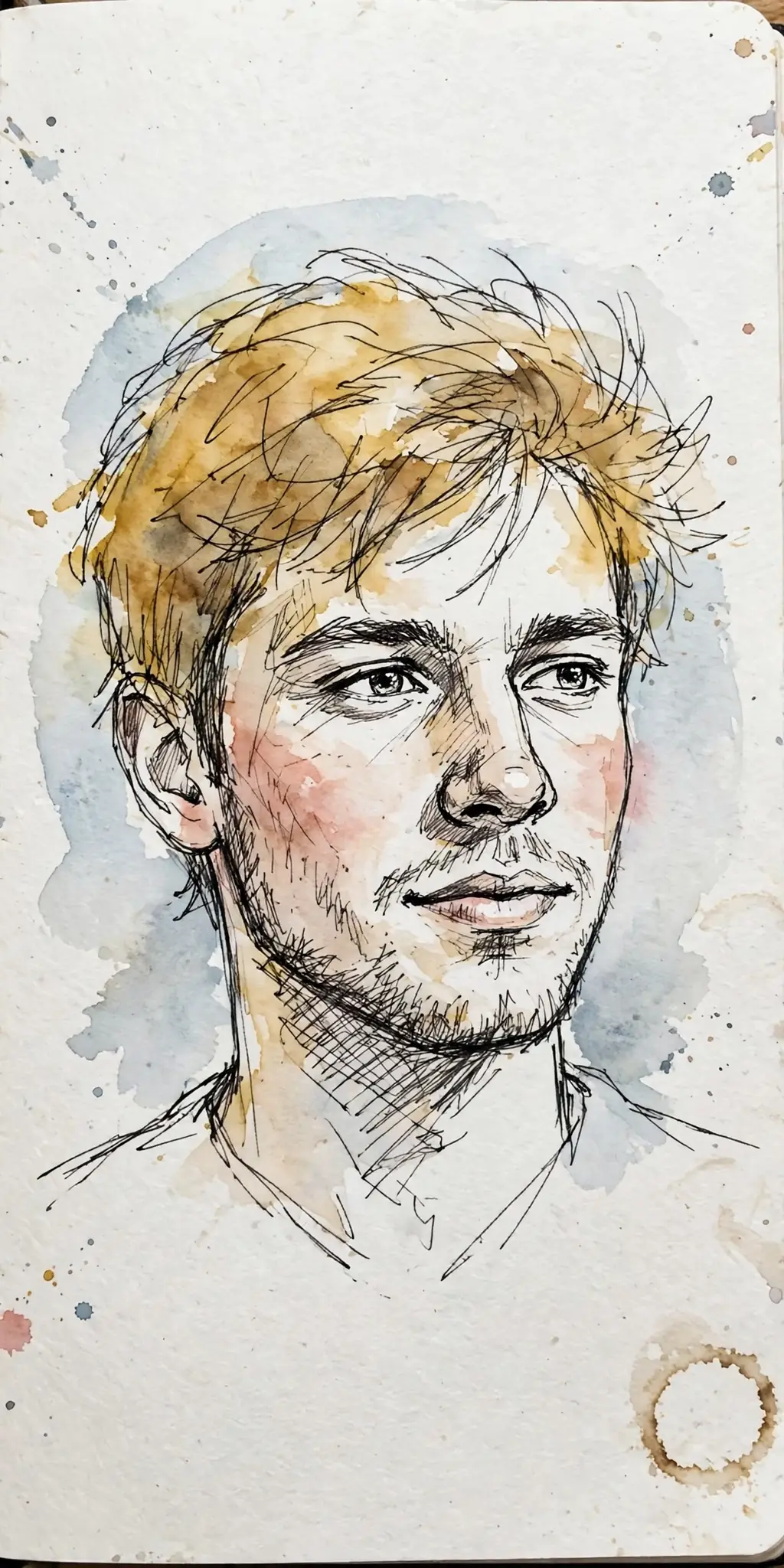
An ink-and-watercolor line portrait, expressive black pen strokes over loose rose and ochre washes on white sketchbook paper.
ChatGPT
№ 01

The prompt

Turn my portrait into an ink-and-watercolor illustration, the kind an artist sketches in a travel journal: confident black ink lines first, then loose watercolour washes laid over the top. Keep my face clearly recognisable — the same eyes, smile and features — drawn with expressive, slightly wobbly pen strokes that capture the character of the face rather than every detail. Add quick cross-hatching for the shadows under the chin and beside the nose, and let the ink lines stay loose and sketchy, with a few lines doubled or left open, the way a hand drawing always is. Then wash gentle colour over the linework: warm rose on the cheeks, soft ochre in the hair, a pale wash of blue-grey behind the head, letting the colour spill slightly outside the lines in places. Leave plenty of white paper around the portrait and add a few small paint splatters in the corners, so the whole image feels like a page torn from a well-loved sketchbook. A coffee ring stains one corner of the page, and a pencil lies across the bottom edge, still warm from the artist's hand.

Tip: If the ink lines look too perfect, ask for a looser, hand-drawn feel with a few open lines and doubled strokes.
Share
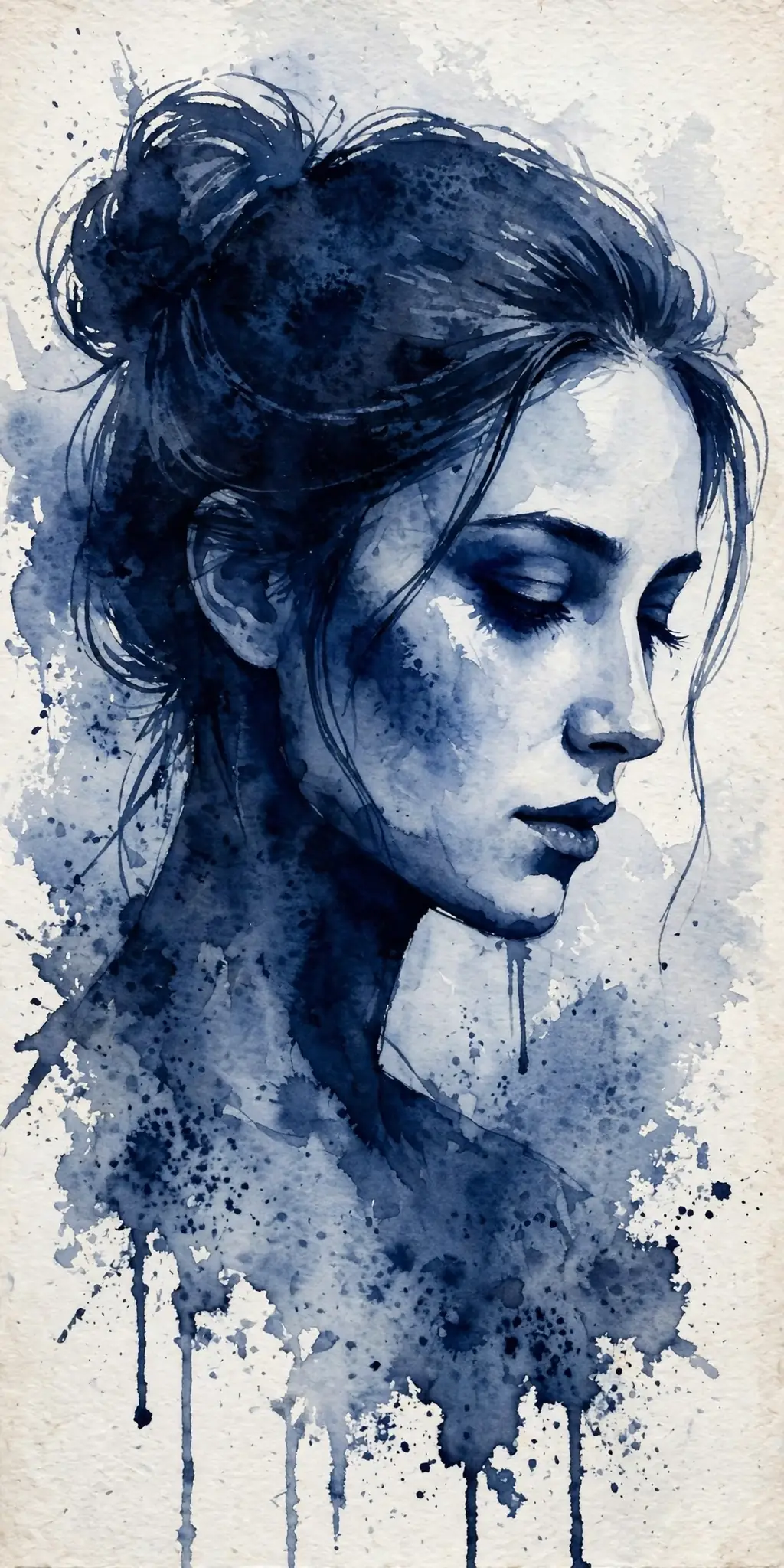
A monochrome watercolor portrait in deep indigo, a woman's face modelled by a single blue pigment fading to white paper at the edges.
ChatGPT
№ 02

The prompt

Turn my portrait into an elegant monochrome watercolor painting in a single colour — deep indigo — with the whole image built from one pigment, from the palest wash to the darkest ink. Keep my face clearly recognisable — the same eyes, smile and bone structure — modelled only by the weight of the wash: pale indigo across the lit cheek, a mid-tone through the shadowed side, and the deepest blue reserved for the eyes, the hair and the line of the jaw. Let the background be a loose, uneven wash that fades to bare white paper at the edges, with a few darker drips and granulated pools where the pigment settled. The magic of a monochrome portrait is restraint, so keep every stroke confident and uncluttered: no extra colours, no decoration, just the quiet drama of light and dark in one blue. Show the paper grain through the lightest washes and let the edges of the figure dissolve into the white, as if the portrait were emerging from the page itself.

Tip: If the result looks flat, ask for the darkest indigo pushed deeper in the eyes and hair so the face gains dimension.

Share
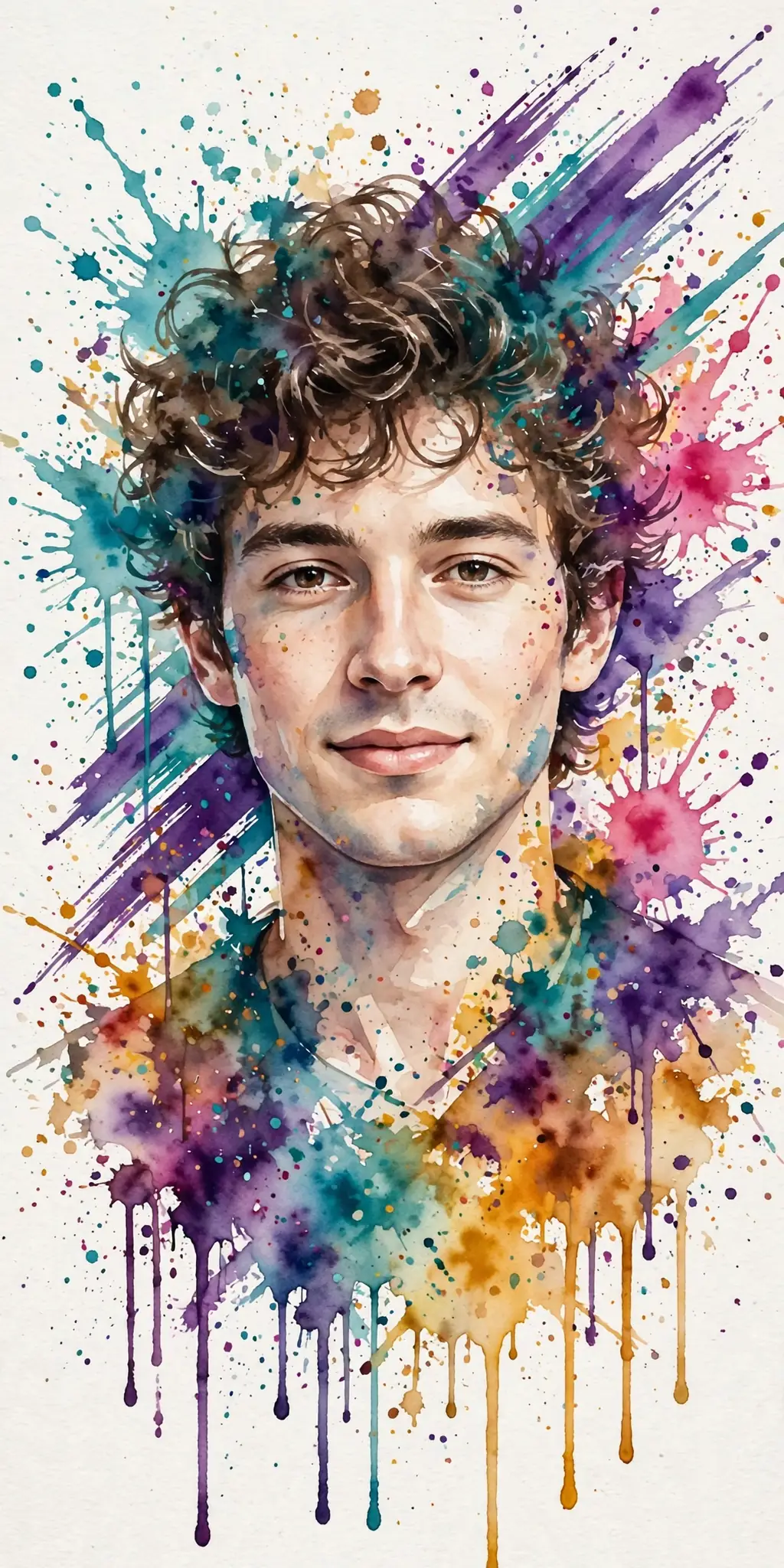
A splash-and-drip watercolor portrait, a man's calm face in clear washes surrounded by exploding teal, magenta and amber paint splashes.
ChatGPT
№ 03

The prompt

Turn my portrait into a bold splash-and-drip watercolor painting bursting with colour and energy. Keep my face clearly recognisable — the same eyes, smile and features — painted in confident translucent washes, then explode the background into a storm of paint: bright splashes of teal, magenta, amber and violet thrown across the paper, with fine spray speckles, long drips running downward and a few bold brush streaks cutting diagonally behind my head. Let some of the splashes overlap the edges of my hair and shoulders, so the portrait feels alive and in motion, but keep the face itself clean and calm, the still centre of the chaos. Show the texture of real watercolour throughout: granulation in the dark washes, blooms where wet paint met wet paint, and the white of the paper flashing through between the bursts of colour. The palette should be joyful and vivid, like a celebration captured mid-throw, with the drips still glistening as if the paint had only just left the brush. A few tiny droplets hang in the air around the portrait, frozen mid-flight, catching the light like coloured glass.

Tip: If the splashes cover the face, ask for the colour bursts kept to the background and the face in a calm, clear wash.

Share
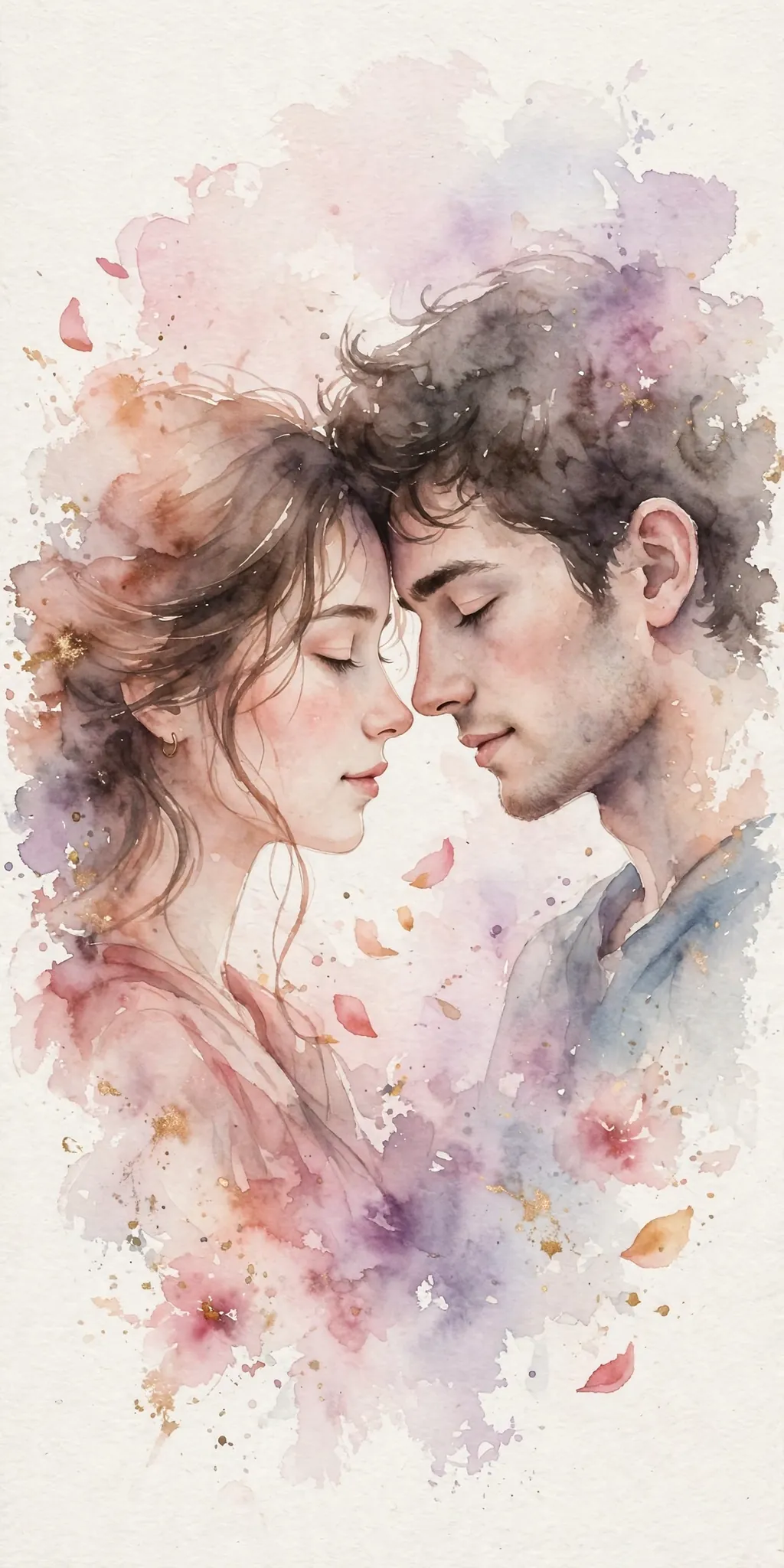
A romantic watercolor couples portrait, two faces close together in soft blush and lavender washes with rose and gold splashes.
ChatGPT
№ 04

The prompt

Turn our couple photo into a romantic watercolor portrait painted in soft, flowing washes. Keep both of our faces clearly recognisable — the same eyes, smiles and features — rendered in gentle translucent colour, with warm peach and rose washes on the skin and loose strokes of colour in the hair. Place us close together, foreheads nearly touching, against a background of pale blush pink and lavender that melts into untouched white paper at the edges. Let the paint bleed softly where our silhouettes meet, so the two figures feel joined by the colour itself, and add a few delicate splashes of rose and gold around us, like petals caught in the air. Show the texture of real watercolour throughout: granulation in the shadows, soft blooms where the washes met, and the grain of the paper showing through the lightest areas. Keep the edges unfinished and dreamy, the colour dissolving outward rather than stopping at a border, so the portrait feels like a tender memory painted in water and light.

Tip: If one face comes out stronger than the other, ask for both faces painted with equal detail and the same wash strength.

Share
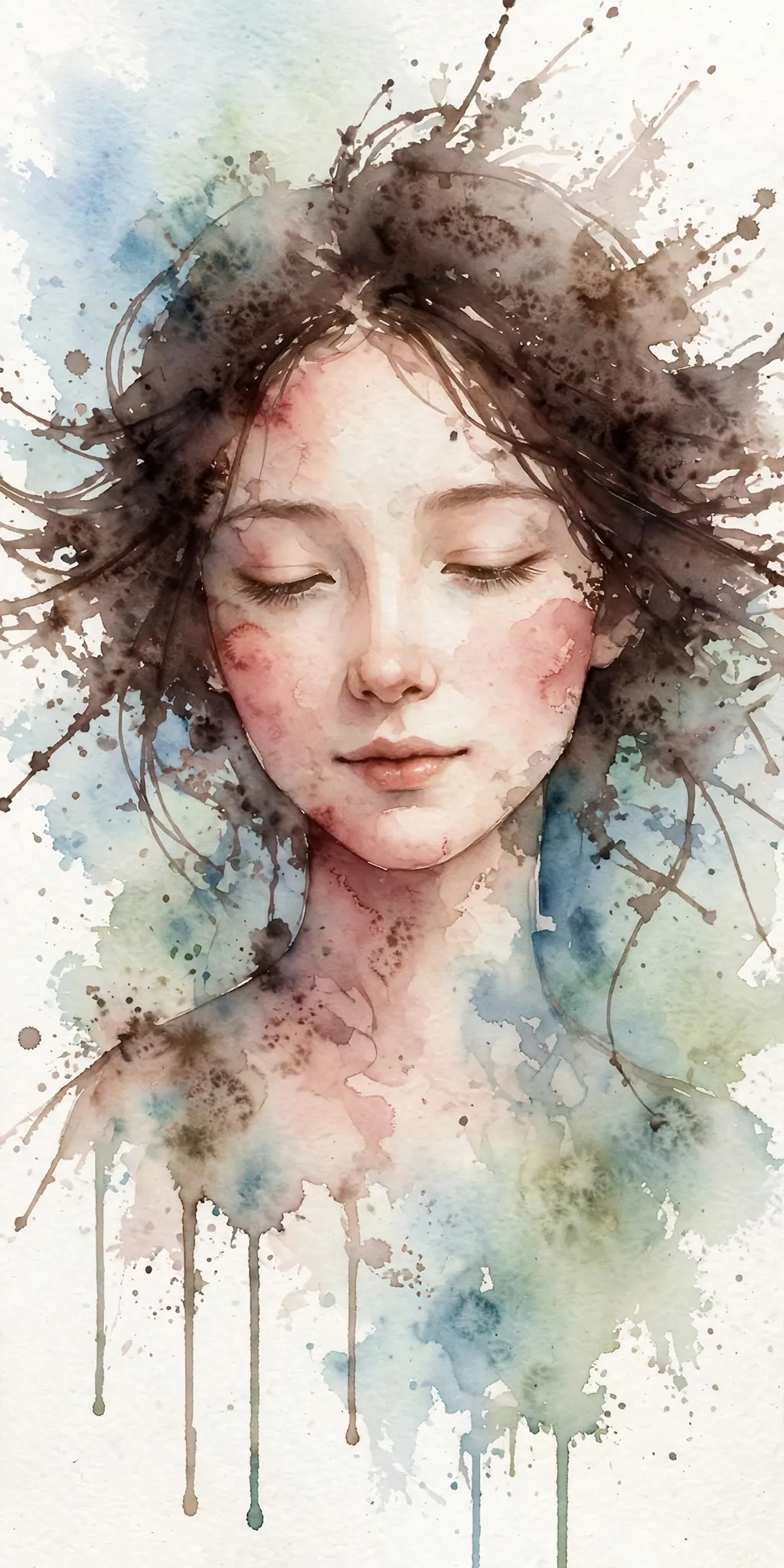
A wet-on-wet watercolor portrait of a woman, her face in soft peach washes with paint bleeding into pale blue and sage around her.
ChatGPT
№ 05

The prompt

Turn my portrait into a wet-on-wet watercolor painting, where the colours bleed and bloom into each other like ink dropped into water. Keep my face clearly recognisable — the same eyes, smile and bone structure — but render the skin in soft translucent washes of peach and rose, letting the pigment pool gently at the edges of the cheeks and jaw. Let the hair dissolve into loose strokes of deep brown that feather outward into the paper, and paint the background as a single pale wash of sky blue and sage that fades to untouched white paper at the corners. Leave visible watercolour texture everywhere: granulation in the shadows, soft cauliflower edges where one wash met another, and the faint grain of cold-pressed paper showing through the lightest areas. Add a few delicate drips running down from the shoulders, as if the paint were still wet, and keep the edges of the portrait unfinished, the colour bleeding out rather than stopping in a hard line. The mood should be dreamy and gentle, like a portrait painted in a single sitting by a patient artist, with the warmth of the original photo still shining through the washes.

Tip: If the face melts too far into the washes, ask for the eyes and smile painted sharper while the edges stay loose.

Share
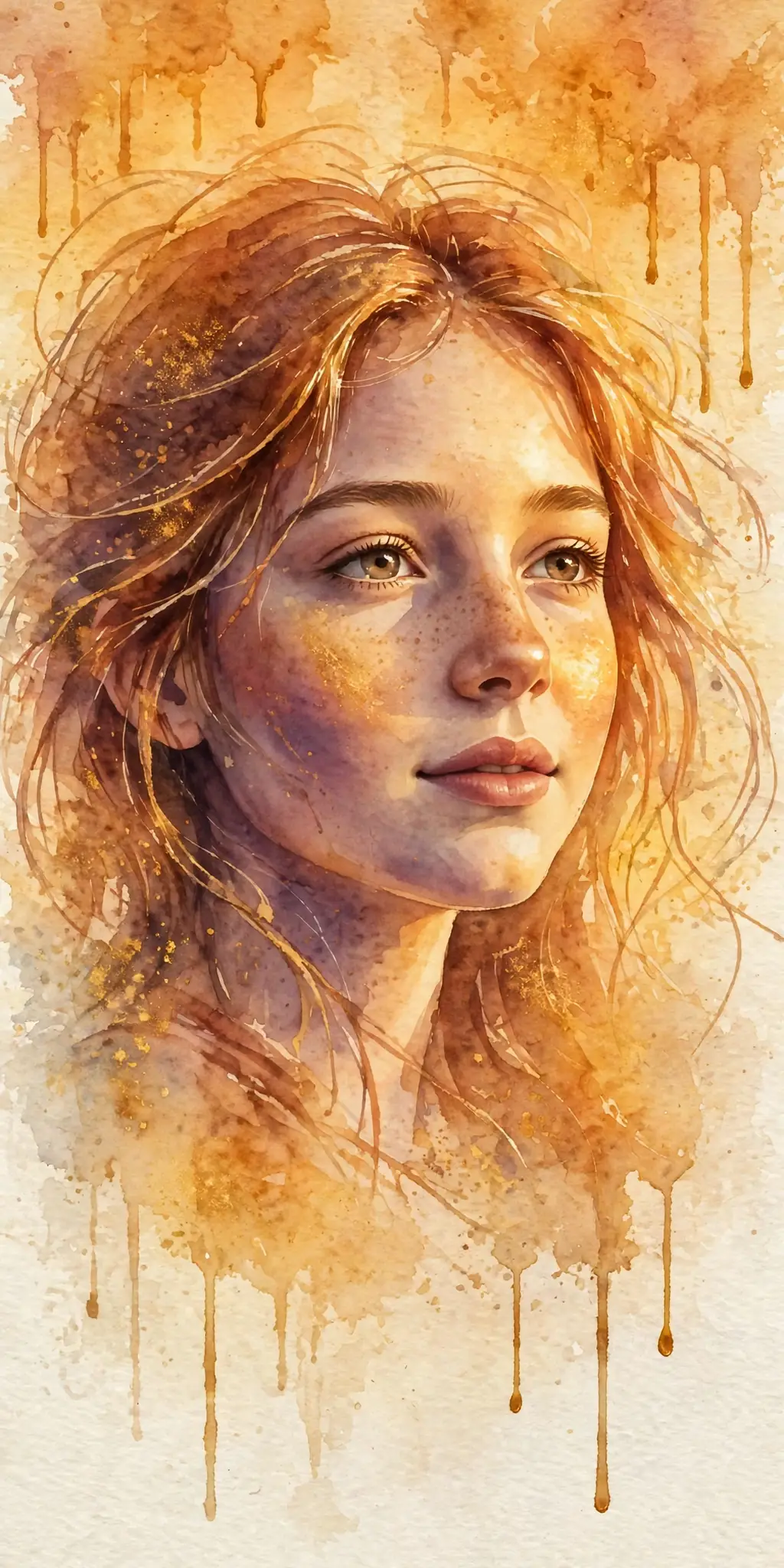
A golden-wash watercolor portrait, a woman's face glowing in honey and amber washes against a molten gold sunset background.
Gemini
№ 06

The prompt

Turn my portrait into a golden-wash watercolor painting, bathed in the warm light of the hour before sunset. Keep my face clearly recognisable — the same eyes, smile and bone structure — painted in warm translucent washes of honey, amber and soft rose, with the light falling from one side so one cheek glows golden and the other falls into a gentle mauve shadow. Paint the background as a wash of molten gold and apricot that deepens toward the top of the frame and melts into pale cream at the bottom, with a few darker drips of amber running down like slow honey. Let the hair catch the light in loose strokes of copper and gold, and add a soft halo of warm colour around the head, as if the sun itself were sitting just behind me. Show the texture of real watercolour throughout: granulation in the shadows, soft blooms where the warm washes met, and the grain of the paper glowing through the lightest gold. The mood should be warm, hopeful and quietly radiant, like the last light of a perfect day.

Tip: If the gold turns muddy, ask for the washes kept translucent and the brightest gold reserved for one lit cheek and the hair.

Share
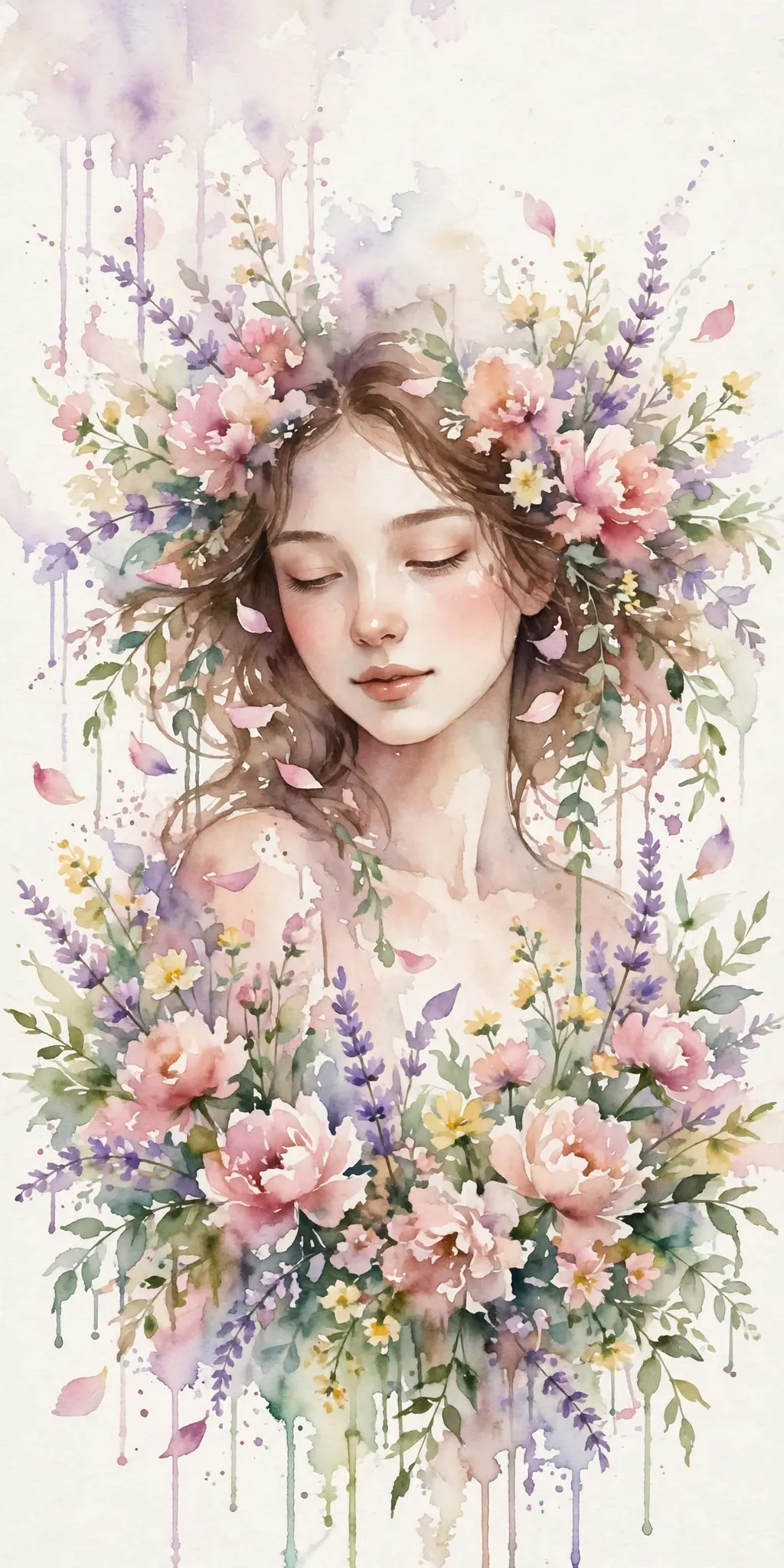
A loose floral watercolor portrait, a woman's face in soft peach washes surrounded by dripping peonies, lavender and wildflowers.
Gemini
№ 07

The prompt

Turn my portrait into a loose floral watercolor painting, where my face emerges from a garden of soft, dripping blooms. Keep my face clearly recognisable — the same eyes, smile and features — painted in gentle translucent washes of peach and rose, and surround me with watercolour flowers: blush peonies, lavender sprigs, soft yellow wildflowers and trailing green leaves, all painted in the same loose, wet style, their petals bleeding into each other and into the background. Let a few petals drift across the edges of my hair and shoulders, and let the flowers grow denser toward the bottom of the frame, fading to pale washes and white paper at the top. The palette should be soft and romantic — rose, lilac, sage and cream — with the paint allowed to bloom and drip naturally, as if the whole garden had been painted in one joyful, wet sitting. Show the paper grain through the lightest washes and keep the edges of the portrait unfinished, the flowers dissolving into white, so the image feels like a spring day caught in paint.

Tip: If the flowers overwhelm the face, ask for the blooms kept to the sides and bottom with the face in a clear, calm wash.

Share
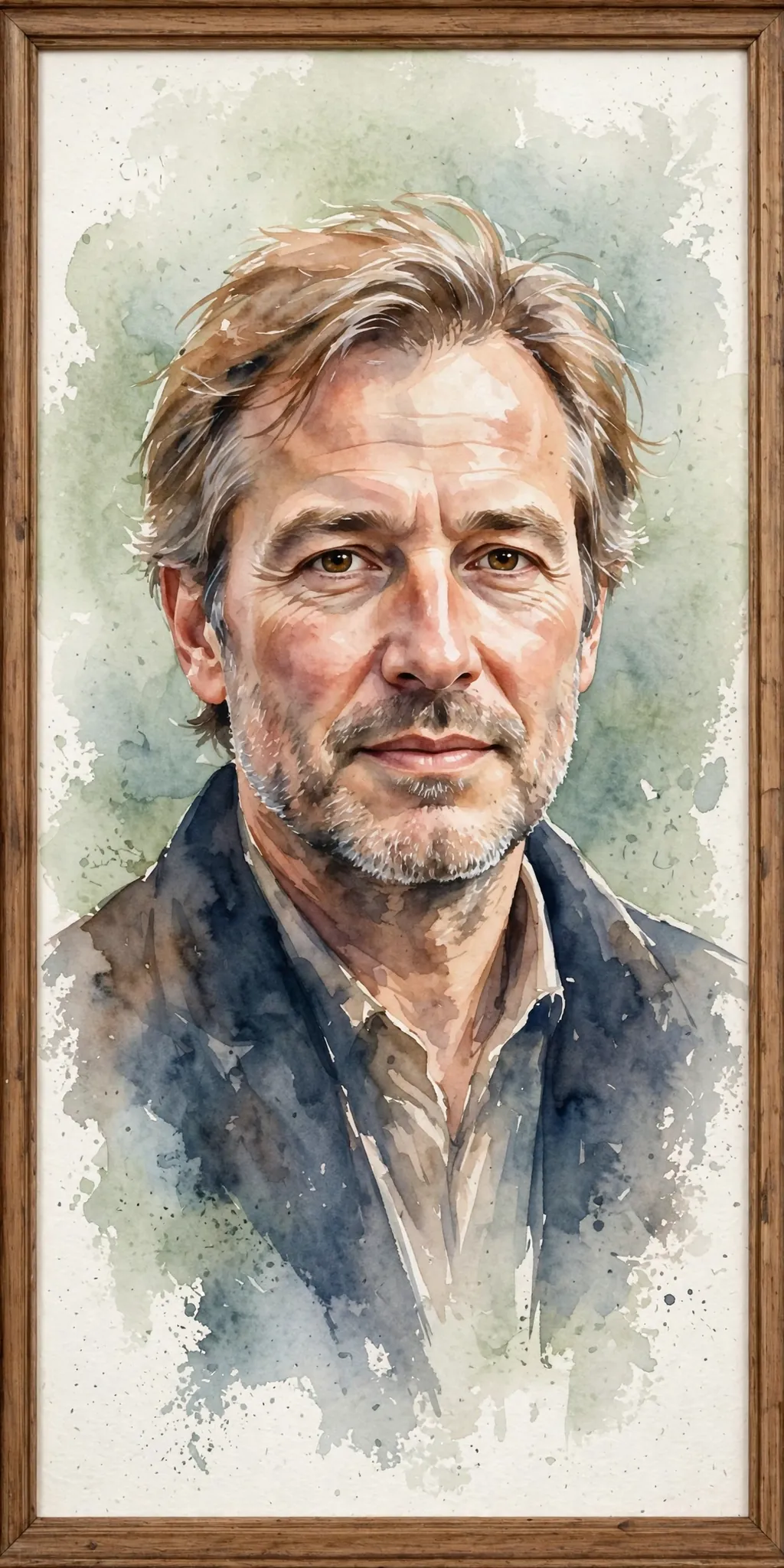
A classic watercolor portrait painted from a photo, a man's faithful likeness in layered peach washes against a muted sage background.
Gemini
№ 08

The prompt

Turn my photo into a classic watercolor portrait painting, the kind that hangs framed above a mantelpiece: faithful to my face, but unmistakably painted. Keep my features exactly recognisable — the same eyes, smile, nose and bone structure, the same hairstyle and outfit — and rebuild everything in layered watercolour washes. Paint the skin in translucent layers of peach, rose and warm shadow, letting each layer dry in the mind's eye before the next, so the face has the gentle depth of a real painting. Render the hair in loose directional strokes with a few lighter highlights, and the clothing in broad confident washes that suggest the fabric without fussing over it. Set the portrait against a soft, simple background wash of muted sage or dusty blue, with the colour fading to white paper at the corners. Show the texture of real watercolour: granulation in the shadows, soft blooms in the background, and the faint grain of cold-pressed paper. The result should look like a portrait an artist painted from my photograph over several sittings.

Tip: If the likeness drifts, re-upload the clearest front-facing photo you have and ask for the face kept exactly as in the original.

Share
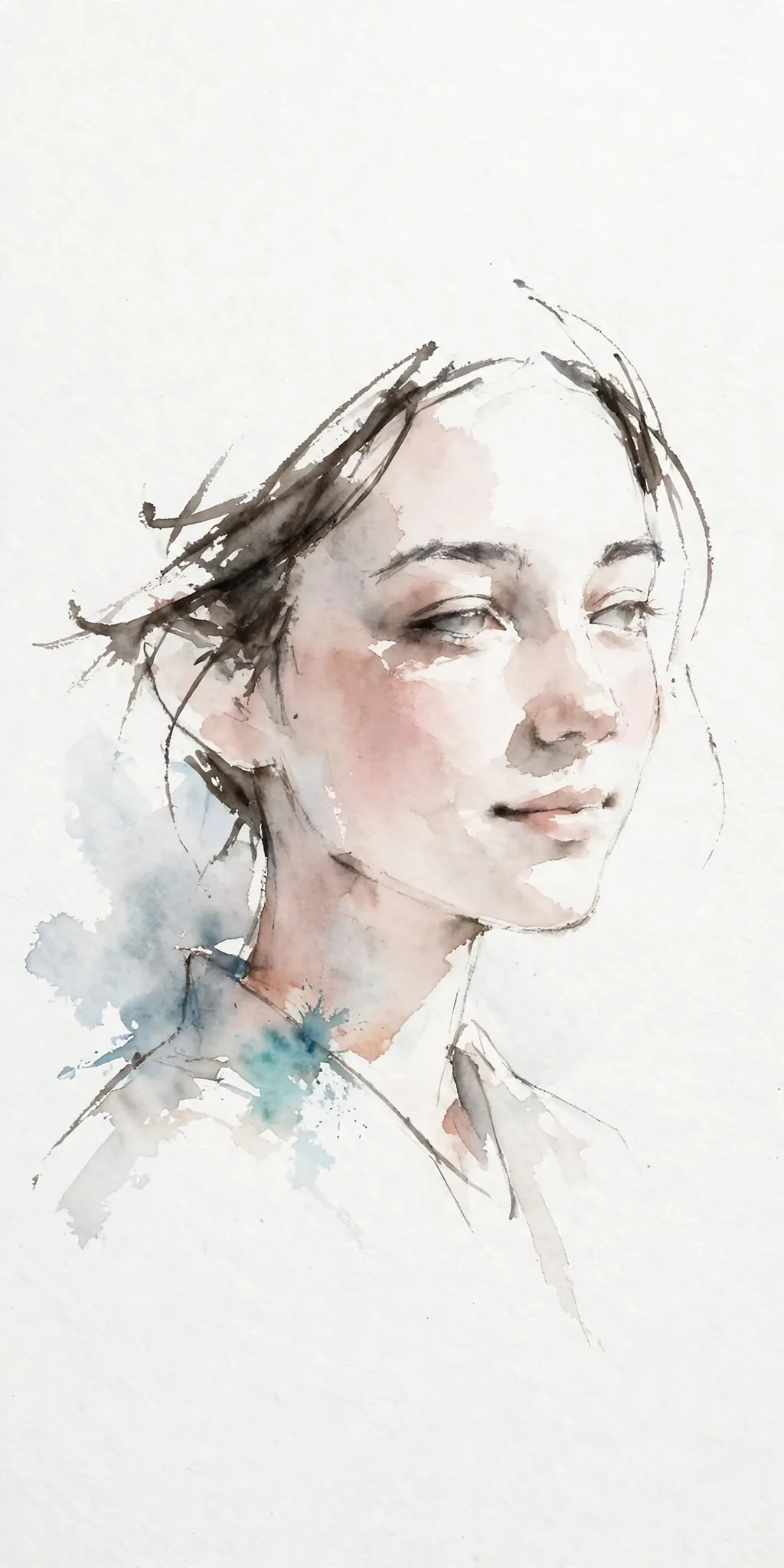
A single-wash watercolor sketch portrait, a young woman's face in a few confident pale washes on mostly white paper.
Gemini
№ 09

The prompt

Turn my portrait into a single-wash watercolor sketch, painted as if the artist had one brush, one cup of water and only a few minutes. Keep my face clearly recognisable — the same eyes, smile and bone structure — captured in a handful of confident, unlaboured strokes: one wash for the skin, a slightly darker wash for the shadows, and a few swift lines for the hair and the brows. Leave most of the paper white and let the paint do the talking: a pale rose wash across the cheeks, a touch of warm brown in the hair, a whisper of blue-grey behind one shoulder, each wash laid down once and left alone, with the soft bleeding edges that only watercolour makes. Keep the background empty white paper, with perhaps one small splash of colour near the collar, so the whole portrait feels fresh, spontaneous and effortless. The charm of a single-wash sketch is what it leaves out, so resist detail: no heavy shading, no decoration, just the lightest possible painting that still looks unmistakably like me.

Tip: If the sketch looks unfinished in a bad way, ask for the eyes and smile given one extra layer of wash to anchor the face.

Share
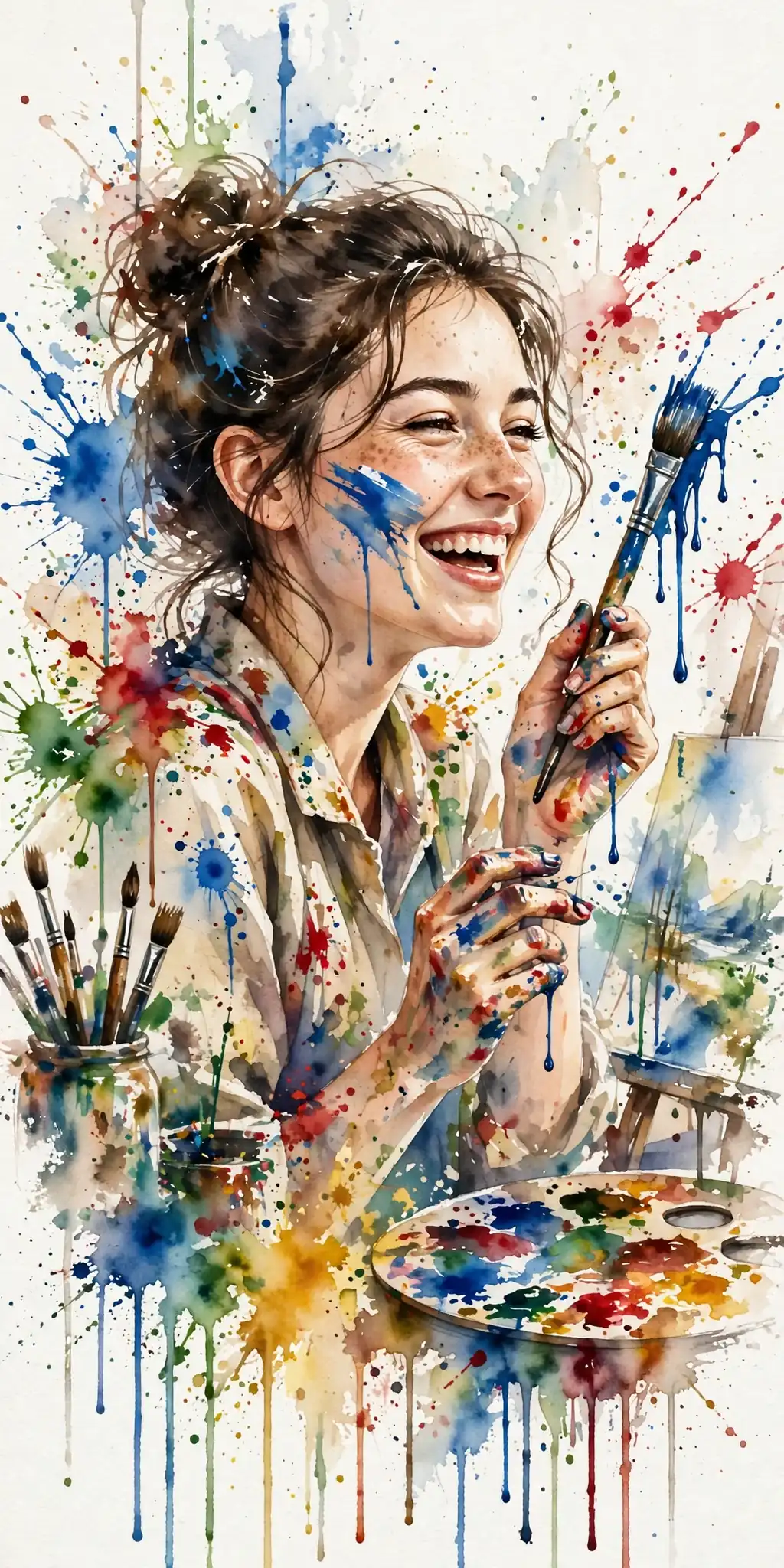
A cinematic watercolor portrait of a laughing artist in her studio, paint splashes of cobalt and crimson exploding behind her.
Midjourney
№ 10

The prompt

A cinematic watercolor portrait of an artist in their studio, painted in the splash-and-drip style: a young woman with paint-smudged hands and a streak of blue across one cheek, laughing softly as she holds a dripping brush near her face. Her portrait is rendered in confident translucent washes — warm skin tones, dark hair in loose strokes — while the background explodes into a storm of thrown paint: cobalt, crimson, ochre and emerald splashes, fine spray speckles and long drips racing down the paper. Behind her, the studio dissolves into suggestions of colour: jars of brushes, a palette smeared with pigment, a half-finished canvas, all painted in the same loose wet style and melting into white paper at the edges. The paint feels freshly thrown, still glistening, and a few bright splashes overlap her shoulders and hair, tying the figure to the chaos around her. The mood is joyful and creative, a portrait of someone who lives inside their art, with every splash telling part of the story. Her apron is a rainbow of old stains, each one a painting she finished.

Tip: If the studio clutter competes with the face, ask for the background splashes softened and the face in the sharpest wash.

Share
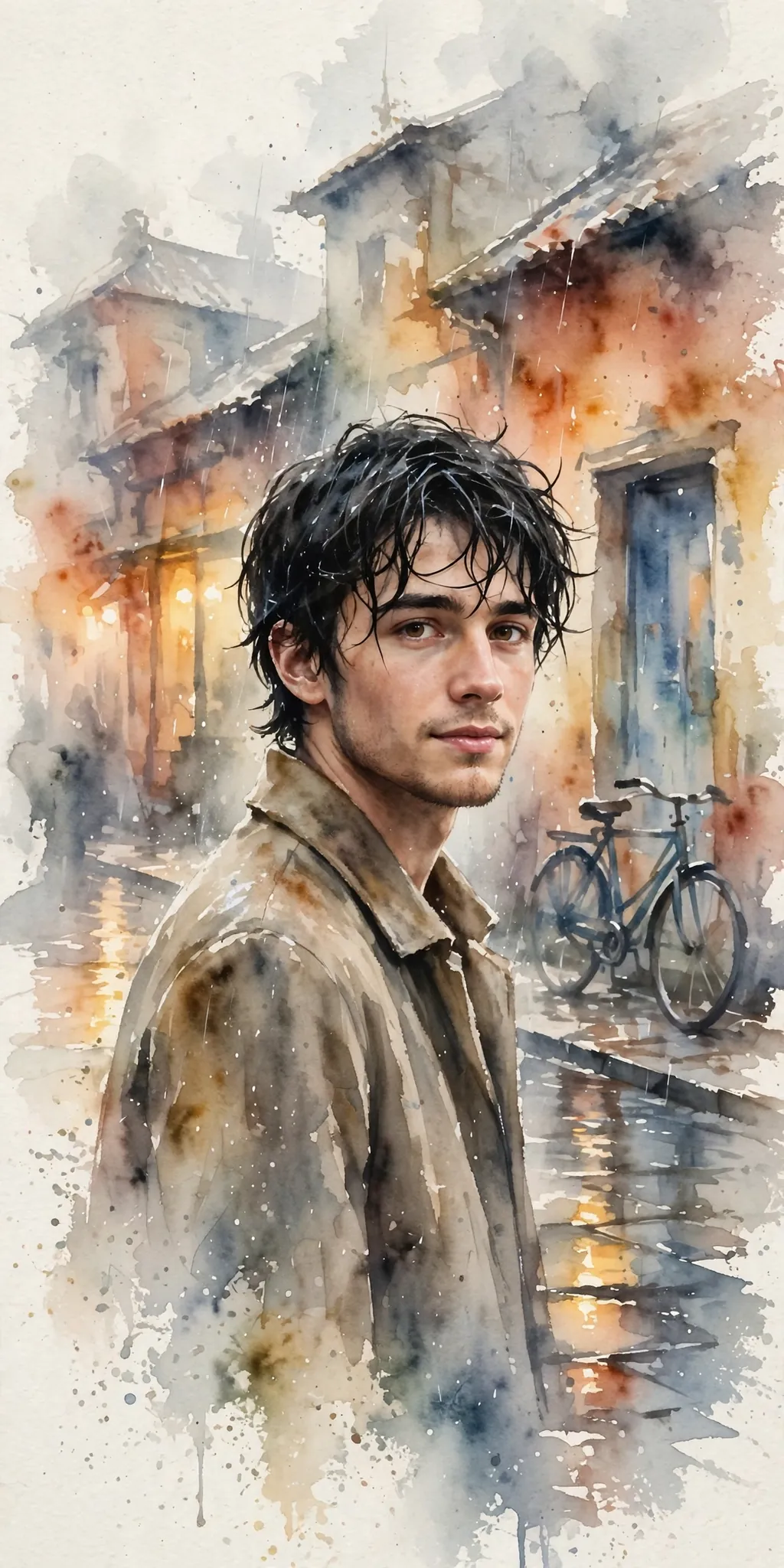
A cinematic watercolor street portrait, a young man in a rain-washed lane with ochre shopfronts melting into soft washes behind him.
Midjourney
№ 11

The prompt

A cinematic watercolor street portrait of a young man standing in a rain-washed old city lane, painted in loose, wet washes that echo the weather. Keep his face clearly recognisable — thoughtful eyes, a slight smile, rain-darkened hair — rendered in warm translucent skin tones with a few confident strokes, while the street behind him melts into soft washes: ochre and terracotta shopfronts, a faded blue doorway, a bicycle leaning against a wall, all bleeding gently into each other like colours in a puddle. Paint the wet cobblestones as a single reflective wash of grey-blue with warm reflections of the shop lights, and let a few painted raindrops speckle the paper, their tiny splashes echoing the watercolour drips at the edges of the frame. The sky above the rooftops is a pale wash of pearl grey, and the whole scene glows with the soft light that follows rain. The mood is quiet and cinematic, a traveller pausing in a beautiful old street as the city drips around him. A cat sleeps on a windowsill above him, painted in two strokes and a tail.

Tip: If the street detail gets busy, ask for the background washes looser and the shopfronts reduced to soft blocks of colour.

Share
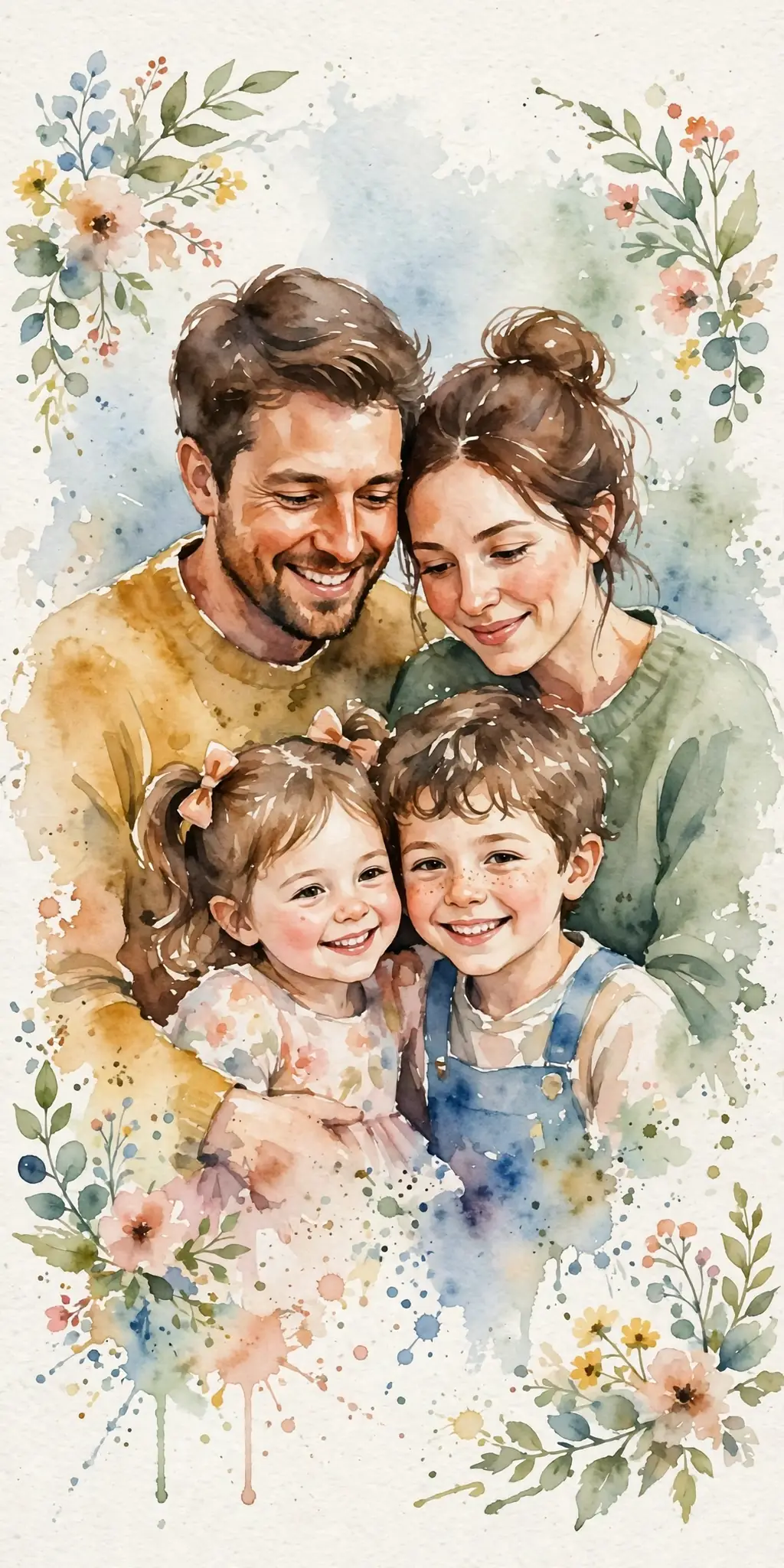
A warm watercolor family portrait, parents and children close together in soft washes with loose flowers in the corners.
Nano Banana
№ 12

The prompt

Turn our family photo into a warm watercolor portrait painting, the kind that becomes a keepsake on the wall. Keep every face clearly recognisable — the same eyes, smiles and features for each of us — painted in gentle translucent washes, with the children's faces in soft peach and the adults' in slightly deeper warm tones. Arrange us close together, the way we stood in the photo, against a background of pale sky blue and sage that fades to white paper at the edges, with a few loose watercolour flowers and leaves tucked into the corners. Let the paint bleed softly where our figures meet, so the family feels joined by the colour itself, and add a few playful splashes of colour around the children, like paint flicked from a brush during a happy afternoon. Show the texture of real watercolour throughout: granulation in the shadows, soft blooms in the background wash, and the grain of the paper showing through the lightest areas. Keep the edges unfinished and the mood joyful, a family memory preserved in water and light.

Tip: If a small face loses detail, ask for the children's faces painted with the same care and wash layers as the adults'.

Share

Step by step

How to turn your photo into a watercolor portrait

  1. 1

    Start with a sharp, well-lit photo. Watercolor models need a clear face to hold on to: a front-facing portrait in soft daylight, with the eyes in focus and nothing covering the face. A dark, blurry or heavily filtered original gives the paint too little to work with and the likeness drifts, however good the prompt is. 2. Pick the technique before the model. Wet-on-wet gives the dreamiest, softest result; splash-and-drip is the boldest and most colourful; monochrome is the most elegant and the safest for a first try; ink-and-watercolor feels like a sketchbook page. The technique decides the mood far more than the model does. 3. Copy the prompt and paste it with your photo. Each prompt in this collection is written as one complete instruction, so paste it whole alongside your uploaded photo rather than summarising it. The specific colour and texture words — granulation, blooms, bleeding edges — are what tell the model to paint rather than photograph. 4. If the face melts, sharpen it in a second run. Ask for the eyes and smile painted sharper while the edges stay loose, and keep everything else the same. One targeted fix per run keeps the result predictable; rewriting the whole prompt at once makes it hard to tell what changed. 5. If the colours go muddy, name a smaller palette. Ask for three colours only — rose, sage and cream, say — and ask for the washes kept translucent. Watercolor goes muddy when too many pigments mix, and naming the palette is the fastest way to clean a washed-out result. 6. Print it like a painting, not a photo. Watercolor portraits look best on matte or textured paper, where the grain of the print echoes the grain of the paint. A simple frame with a wide white mount lets the unfinished edges breathe, and the portrait reads as a painting on the wall rather than a printout.

Questions, answered

Frequently Asked Questions

Which model is best for watercolor portraits?

ChatGPT and Gemini are the strongest choices for turning your own photo into a watercolor portrait, because both hold the likeness well while rebuilding the image in washes — five of this collection's twelve prompts are written for ChatGPT and four for Gemini. Midjourney is the best pick for the two cinematic scenes, the paint-splashed artist and the rain-washed street, where atmosphere matters more than likeness. Nano Banana handles the family portrait, keeping several faces recognisable at once.

Can I turn my own photo into a watercolor portrait?

Yes — that is exactly how these prompts are designed to be used. Upload a clear, front-facing, well-lit photo of yourself, your partner or your family, then paste the prompt alongside it. The model keeps your faces and rebuilds everything else in watercolor: translucent washes, bleeding edges, paper grain and paint splashes. A sharp original photo gives the best likeness; a dark or blurry one gives the model too little to hold on to.

What is the difference between wet-on-wet and splash-and-drip?

Wet-on-wet means painting onto damp paper, so the colours bleed and bloom into each other with soft, dreamy edges — it is the gentlest, most romantic watercolor style. Splash-and-drip is the opposite energy: the portrait sits calmly at the centre while bright paint is thrown, splattered and dripped around it, with speckles and long drips racing down the paper. Choose wet-on-wet for a soft keepsake and splash-and-drip for a bold, joyful statement piece.

Why does my watercolor portrait look photorealistic instead of painted?

The model needs explicit painting words to switch out of photo mode. These prompts are loaded with them: translucent washes, granulation, blooms, bleeding edges, paper grain, drips and splashes. If a run still comes out looking like a photo, add a plain instruction — paint this as a watercolor on cold-pressed paper, with visible brushwork and unfinished edges — and ask for the background as a single wash fading to white paper.

How do I keep the faces recognisable in a watercolor portrait?

Start with the sharpest, most front-facing photo you have, and let the prompt do the rest — every prompt in this collection asks for the face kept clearly recognisable with the same eyes, smile and features. If a face still drifts, run it again with the face instruction strengthened: ask for the eyes and smile painted sharper while the edges stay loose. For couples and families, check each face in turn and fix one at a time.

Can I print and sell the watercolor portraits I make?

For personal use — printing for your own wall, framing as a gift, sharing with family — that is what these prompts are for. For commercial use, such as selling prints or using a portrait in a business, check the terms of the AI platform that generated the image, since commercial rights vary by platform and plan. We are not giving legal advice; the platform's own terms are the authority.

Keep browsing

More collections